The Verma Lab Logo

The Divij Verma Laboratory at the Department of Pathology in Albert Einstein College of Medicine investigates how environmental exposures and chronic inflammation disrupt stem-cell biology to drive blood and solid-tumor malignancies. Our research bridges stem cell biology, cancer genomics, and translational therapeutics, focusing on mechanisms through which genotoxic and inflammatory stress promote clonal hematopoiesis (CH), myeloid neoplasms, and prostate cancer. The Verma Lab maps early disease steps in hematologic and prostate cancers. We combine wet- and dry-lab approaches to understand clonal evolution and uncover targets for prevention and therapy.
Our Research

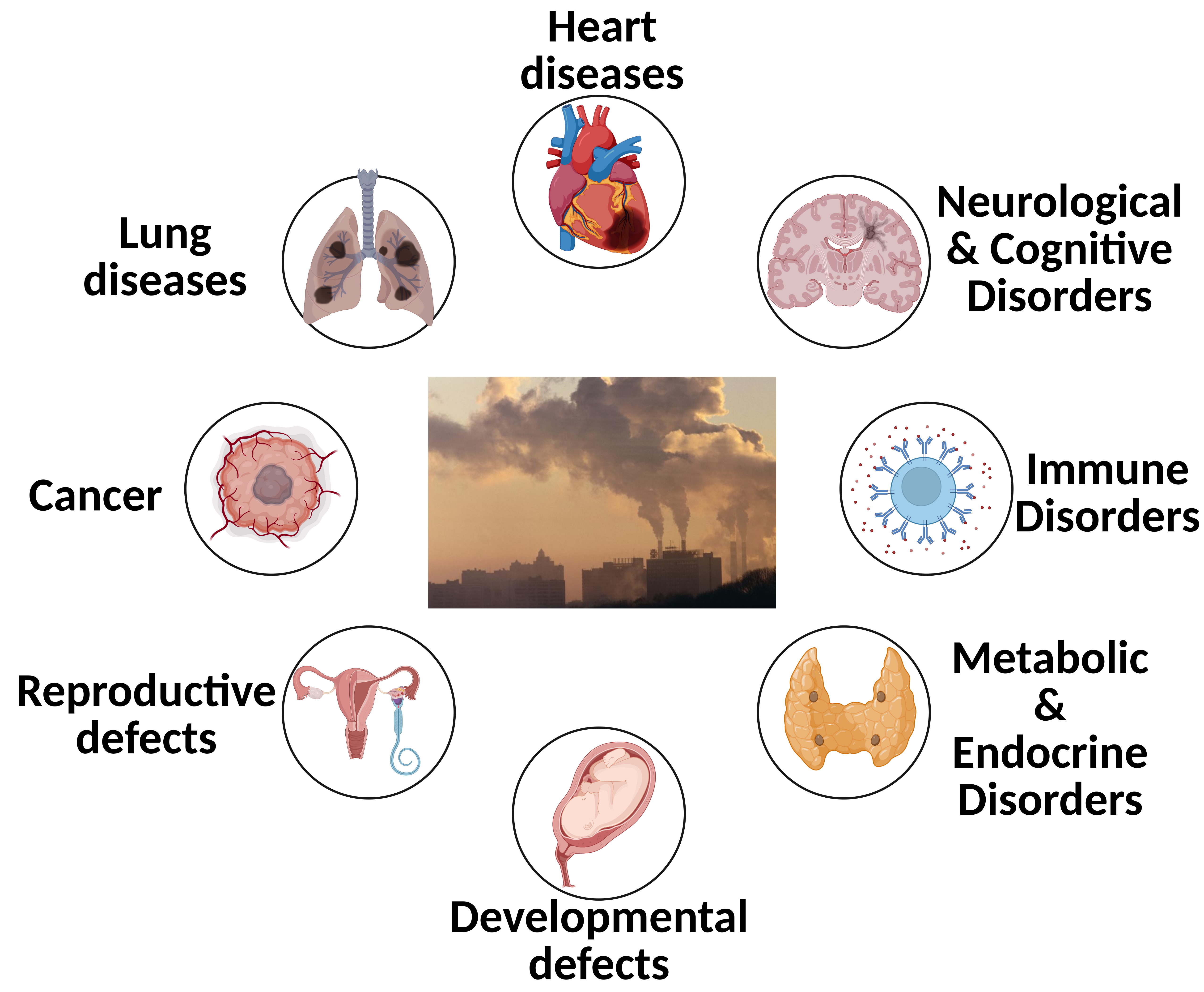
Environmental exposures and disease

Environmental toxins, from airborne particulate matter and industrial pollutants to chemical contaminants, affect nearly every organ system in the body. Research over the past decade has shown strong associations between environmental exposures and a wide range of diseases, including lung injury and chronic respiratory disorders, cardiovascular disease, neuroinflammatory and neurodegenerative conditions, immune dysregulation, endocrine and thyroid dysfunction, reproductive and developmental abnormalities, and multiple cancers such as those of the hematopoietic system and prostate. These exposures trigger inflammation, oxidative stress, DNA damage, and metabolic disruption, creating a biologic environment that promotes tissue dysfunction and disease susceptibility. Our lab is dedicated to uncovering the mechanisms linking toxic exposures to human disease and developing strategies to reduce their impact on vulnerable populations.

Environmental Stress and HSCs

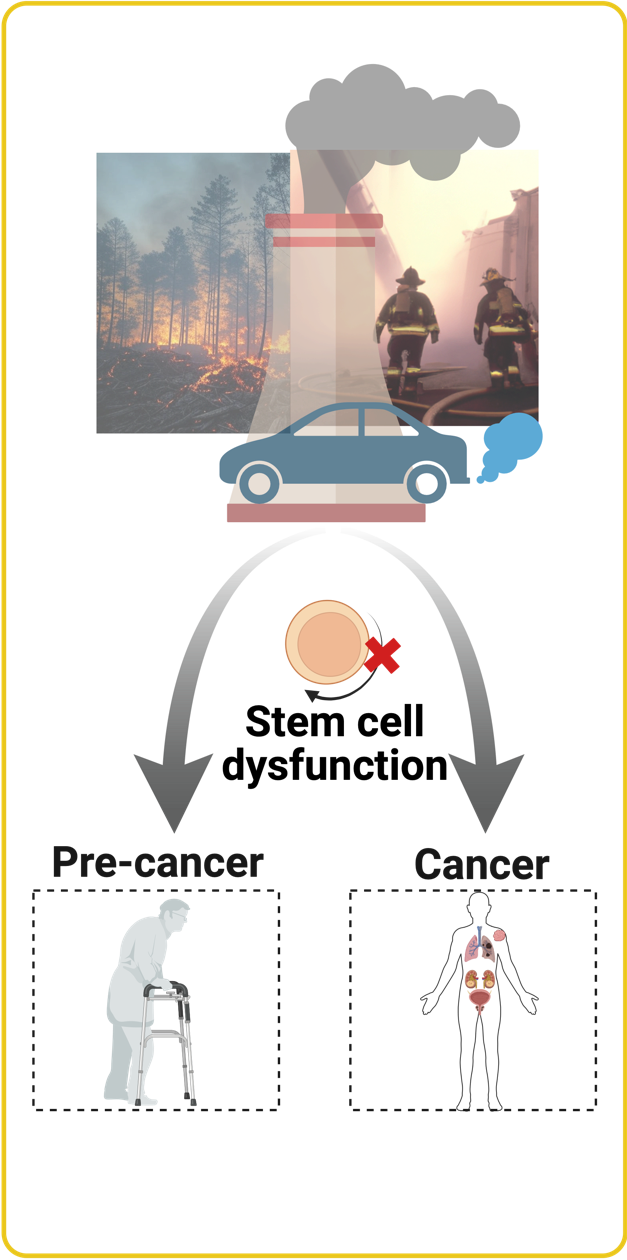
Toxic Environmental Exposures Shape Stem Cell Dysfunction and Drive Cancer Evolution

We study how environmental particulate matter (PM), burn-pit chemicals, and polycyclic aromatic hydrocarbons (PAHs) induce DNA damage, proteostasis imbalance, and inflammatory stress in HSCs and the bone marrow microenvironment (BMM). Using murine and humanized models, we investigate how these pathways impair HSC self-renewal, accelerate stem-cell aging, and promote CH. Additionally, our work examines how chronic inflammatory signaling intersects with DNA-damage responses to drive maladaptive stem-cell programs.

Environmental exposures and disease

Therapeutic Interception of Environmentally Driven Cancers

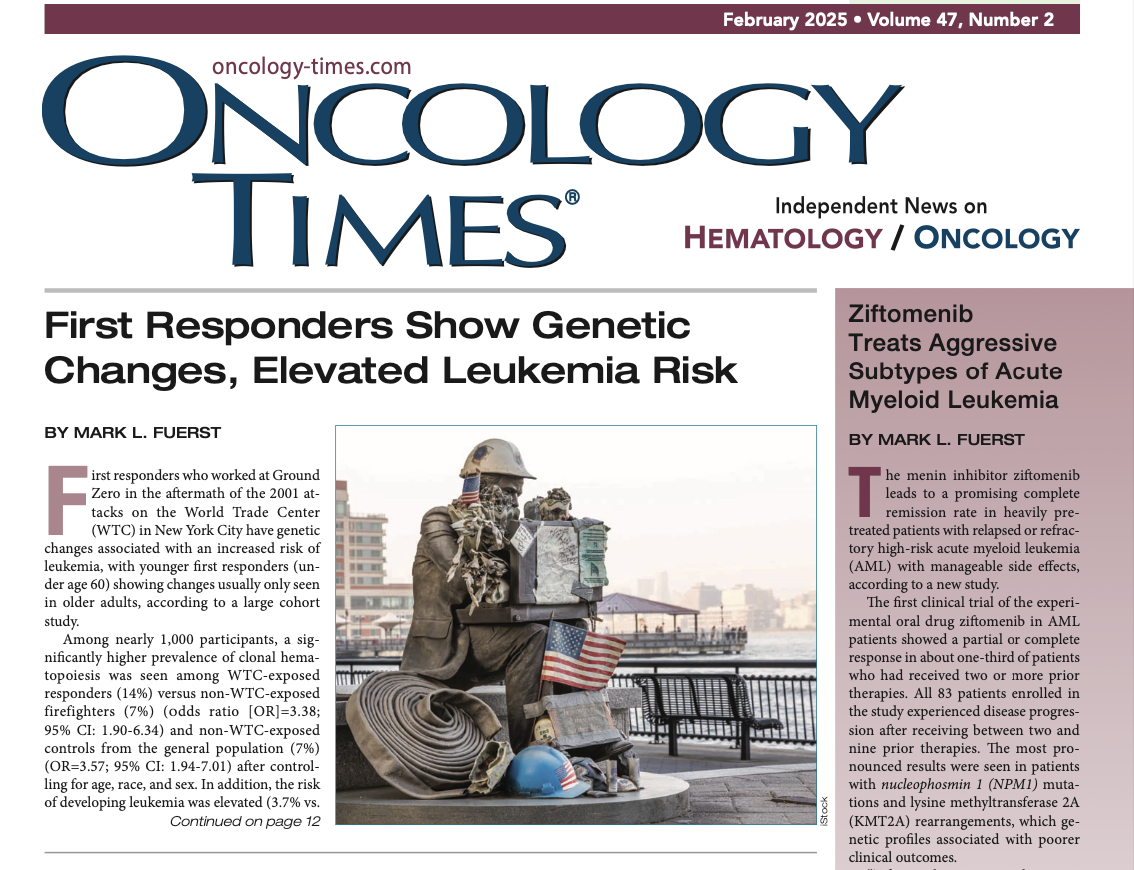
We aim to identify molecular vulnerabilities that can be targeted to reverse environmental and inflammatory stem-cell injury and evolution to malignant hematological cancers. Through collaborations with clinical teams, we connect mechanistic discoveries to patient cohorts, including World Trade Center–exposed firefighters and U.S. veterans, to translate our findings into human disease contexts.

inflammation and metabolic stress

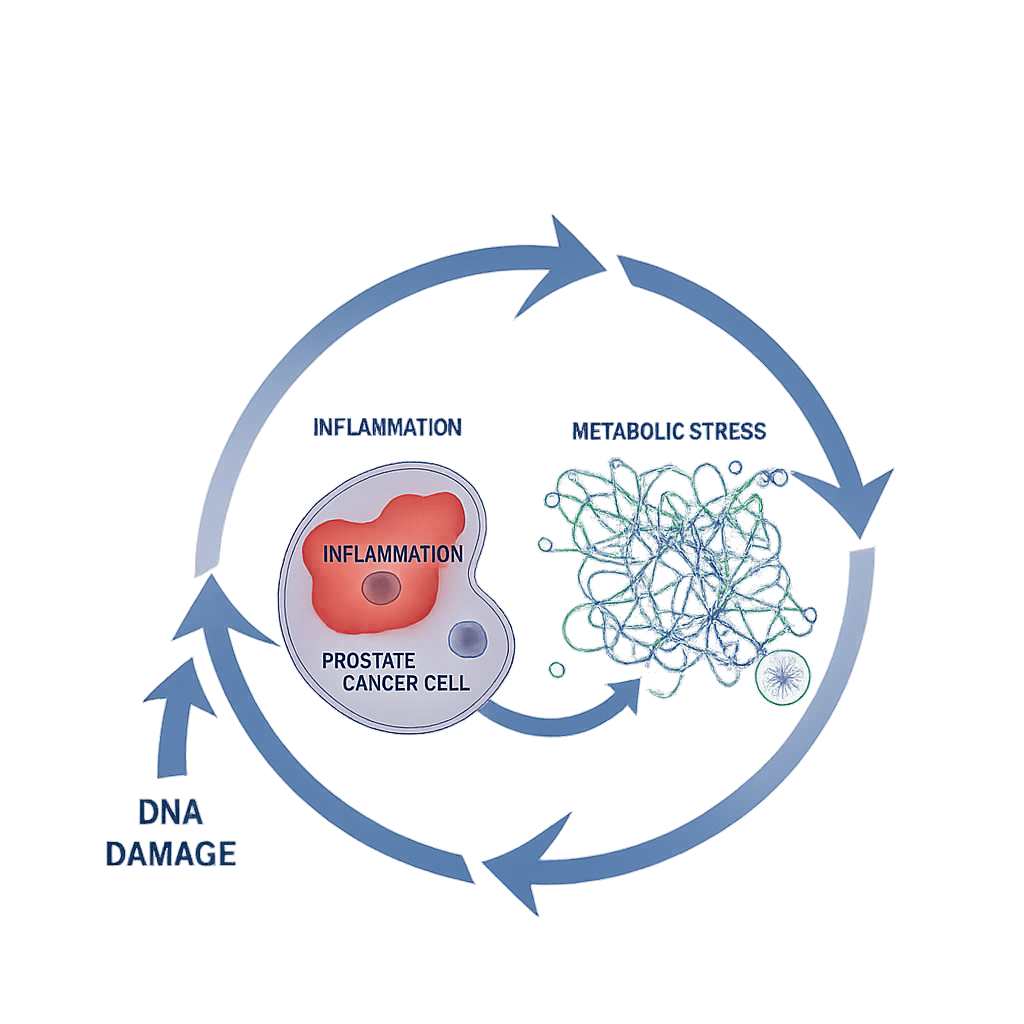
Inflammation and Metabolic Stress in Prostate Cancer

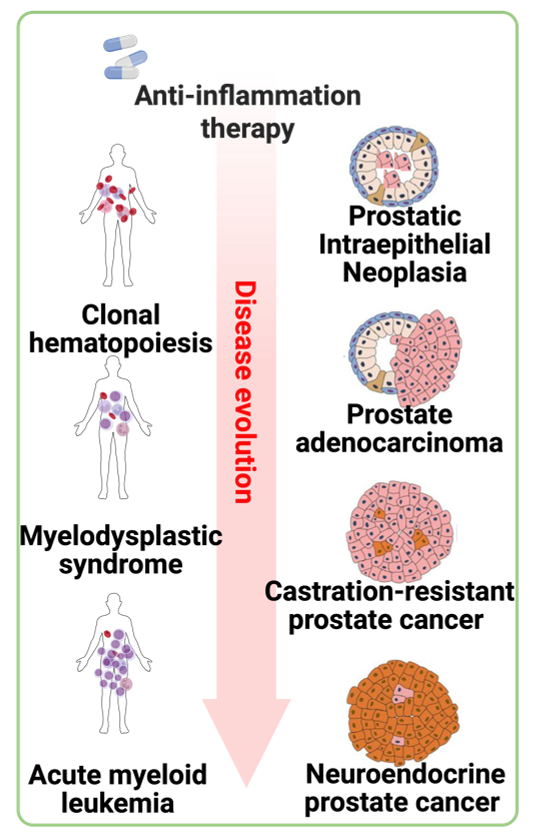
Extending our stem-cell and inflammation research to solid tumors, we study how chronic inflammatory signaling and metabolic dysregulation foster therapy resistance and tumor progression in prostate cancer. We are investigating common inflammatory drivers shared between hematologic and prostate malignancies. Our goal is to define how targeting chronic inflammation could reprogram the tumor microenvironment, enhance differentiation, and sensitize prostate cancer cells to therapy.

Recent News

Recent highlights and media coverage

Our Team

Scientists at the intersection of basic discovery and translational oncology.

Dr. Divij Verma
Dr. Divij Verma, Ph.D.

Principal Investigator

Click to learn more about me →
Plabani Sahu
Plabani Sahu, M.S.

Visiting Scientist

Click to learn more about me →

Publications & Grants

For full citation details and filters by year, visit the Publications Archive.

View Publications Archive

The Mission

How we connect environmental exposures to cancer biology.

Our vision is to redefine the concept of stressed hematopoiesis and tumorigenesis as interconnected outcomes of environmental and inflammatory injury. By uniting mechanistic studies in stem-cell and prostate cancer biology with translational research in exposed populations, the Verma Lab strives to identify actionable therapeutic pathways that restore cellular homeostasis and prevent malignant transformation.

Contact

We’d love to collaborate and hear from prospective trainees.

Send us a message

Affiliations

Institutions and partners we work with.

Montefiore Einstein Cancer Center
Einstein FDNY